Astorga
Camino Frances
Astorga sits at the junction of the Camino Francés and the Vía de la Plata, and it has been a crossroads since Roman times — the town was the hub of the Roman gold mining operations that extracted wealth from the nearby mountains.
The city has two unmissable buildings: the Catedral de Santa María and the Palacio Episcopal. The cathedral is a mix of Gothic, Renaissance, and Baroque, with a splendid retablo by Gaspar Becerra. The Palacio Episcopal is pure Gaudí — he designed it in 1889 for the Bishop of Astorga, and it's one of only three Gaudí works outside Catalonia (León's Casa Botines being another). The Neo-Gothic exterior looks like a fairy-tale castle; inside, it now houses the Museo de los Caminos, dedicated to the pilgrim routes that converge here.
Astorga has a chocolate tradition that dates to the 17th century, when cacao arrived from the Americas. The Museo del Chocolate tells the story. Several shops sell artisan chocolate and mantecadas (butter cakes). Try both.
The Maragato culture of the surrounding region is distinctive. The Maragatos were a closed community of muleteers who controlled trade routes across the meseta for centuries. Their most famous contribution to cuisine is cocido maragato — a hearty stew served in reverse order: meat first, then chickpeas and vegetables, then the broth. It's the opposite of the normal cocido sequence and makes more sense than you'd expect.
Multiple albergues, hotels, and restaurants serve the city. Full services available.
Santa Marta is the patronal fiesta, celebrated in the last week of August with cocido maragato competitions, music, and processions. The Tuesday market is one of the better ones in León province.
Astorga was the Roman city of Asturica Augusta, capital of the Conventus Asturum and a key administrative center for the gold mines of Las Médulas to the west. The Roman walls, partially preserved, give a sense of the city's original extent. The Ruta Romana walking trail connects the main archaeological sites.
The convergence of pilgrim routes here — the Francés from the east and the Vía de la Plata from the south — made Astorga a major medieval pilgrimage hub, with over 20 pilgrim hospitals operating at its peak.
The camino exits Astorga through the western gate and enters the Maragatería — the hilly, depopulated country that was the Maragato homeland. The terrain changes immediately: the flat meseta is behind you, and the road ahead climbs gradually through stone villages toward the mountains.
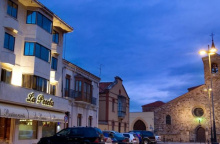
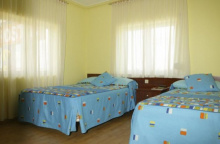
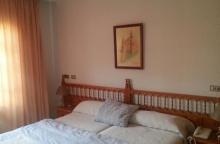
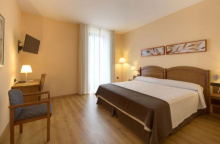
Accommodation in Astorga.
| Alojamientos Domus Áurea 75+€ |
|
| VUT Domus Aurea 75+€ Booking.com |

|
| Apartamento Astorga Suites Booking.com |

|
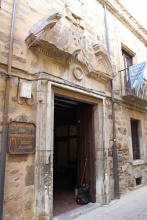
| Albergue San Javier 12€ 65 |
|
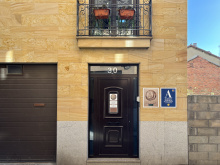
| Albergue Só Por Hoje 30*€ 8 Booking.com |
|
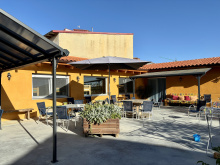
| Albergue MyWay 15€ 14 Booking.com |
|
| Albergue de Peregrinos Siervas de María 8€ 165 |
| Albergue Franciscano Santa María de los Ángeles 10€ 60 |

|

Comments